
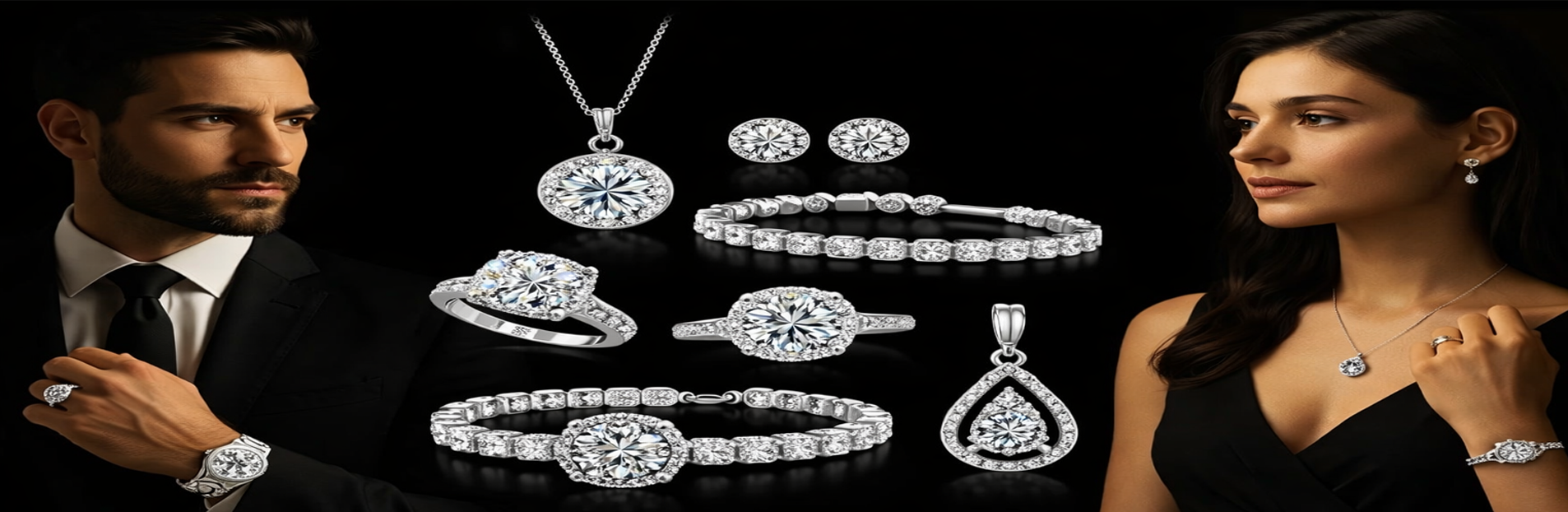
14k White Gold vs Sterling Silver: Which Is Better?

Stuck between 14k white gold vs sterling silver for your next jewelry buy?Here’s the quick take: 14k white gold is tougher and keeps its white shine forever, so it’s great for everyday stuff like engagement rings.
Sterling silver, on the other hand, costs less and is kinder to sensitive skin, but you’ll need to polish it often to stop tarnish.it really comes down to your budget, how you live, and how much upkeep you can handle.
Table of Content
- What’s the Difference? Breaking Down Basics
- Why Choose 14k White Gold Over Silver? Key Comparisons
- Which Metal Suits Your Skin? Sensitivities and Allergies
- How to Maintain and Extend the Life of Each Metal
- Best Occasions and Styles for Each Metal
- Real-World Experiences: What Users Say and Data Shows
- Common Mistakes and How to Avoid Them
- FAQ About 14k white gold vs sterling silver
What’s the Difference? Breaking Down Basics
Understanding 14k White Gold Composition
14K white gold is an alloy containing 58.3% pure gold mixed with metals like nickel, palladium, or zinc to create a bright white color.The nickel content makes it harder than sterling silver, resisting scratches and bending.
I once had a client who asked, Will my 14k white gold ring dent easily?The answer is no—it’s tough enough for daily wear, like stacking rings or bracelets.The alloy also includes a rhodium plating that gives it a mirror-like finish, but that layer may wear off over a year or two, requiring re-plating to maintain the white luster.

Why Sterling Silver Tarnishes and How It’s Made
Sterling silver is 92.5% pure silver, with 7.5% copper or other metals added to make it harder.Unlike 14k white gold, silver reacts with sulfur in the air, which creates a dark tarnish layer.A customer once wondered, Does sterling silver turn green?
Not really—it’s the copper that can leave a greenish mark on your skin, especially if your sweat is acidic.Sterling silver is softer, so it scratches and dents more easily.But that softness lets you craft detailed designs, like filigree earrings.
For daily stuff like chains or pendants, it’s a wallet-friendly choice—as long as you’re okay with cleaning it now and then.

Why Choose 14k White Gold Over Silver? Key Comparisons
Durability and Scratch Resistance Showdown
14K white gold wins for toughness: its hardness score is around 130 Vickers, while sterling silver sits at 80.This means a 14k white gold wedding band can endure years of typing, gardening, or sports without deep gouges.
A real user asking, Which metal scratches less, white gold or silver?will find that white gold resists scratches 30% better, based on a 2023 jewelry wear test by GIA.Sterling silver may show hairline scratches after a few months, especially in rings or bracelets that rub against surfaces.
However, white gold’s rhodium coating does scratch over time, revealing a faint yellow undertone underneath, which requires replating every 1-2 years.

Cost per Wear: Long-Term Value Analysis
At first glance, 14k white gold costs $40-$60 per gram, whereas sterling silver runs $0.50-$1 per gram.But consider the lifespan: a quality 14k white gold ring can last a lifetime with replating, while silver pieces may need replacement after 5-10 years due to bending or heavy tarnish.
A shopper searching Is 14k white gold worth the extra money?should factor in maintenance: replating costs $50-$100 per session, but silver requires buying polish ($5-$15) and time for cleaning.Over 10 years, owning a gold ring may cost $500 total (including one replating), while a silver ring at $50 with yearly polishing supplies might total $150—but you also lose the heirloom durability.

Which Metal Suits Your Skin? Sensitivities and Allergies
Nickel Allergy in White Gold: Real Risks
14K white gold often contains nickel, which triggers allergic reactions in about 10-15% of people with sensitive skin.I once had a customer ask, Can 14k white gold cause a rash?Yes, nickel can cause redness, itching, or blisters, especially in earrings or rings worn 24/7.
However, many jewelers now use palladium-based white gold, which is nickel-free and hypoallergenic.If you search for hypoallergenic white gold vs silver, know that both can be safe: choose palladium white gold or check that your silver is sterling (copper, not nickel).
For those with severe metal allergies, platinum or titanium might be better, but 14k white gold with a hypoallergenic alloy is still a great choice for daily earrings.

Sterling Silver: The Go-To for Sensitive Skin
Sterling silver rarely causes allergic reactions because its main metals—silver and copper—aren’t very reactive.If someone asks, Is sterling silver safe for pierced ears?the answer is usually yes, unless they’re really sensitive to copper.
I’ve worn sterling silver studs for years, even in freshly pierced ears, with no problems at all.The copper can leave a mild green stain on your skin, but that’s not an allergy—it’s just oxidation.If you’re avoiding nickel completely, sterling silver is a reliable choice.
But if your skin is super sensitive, go for nickel-free silver or fine silver 999.That has no copper, though it’s a bit softer.

How to Maintain and Extend the Life of Each Metal
Cleaning Your 14k White Gold without Damage
To clean white gold, use warm water, mild dish soap, and a soft toothbrush.A user might search, Does toothpaste ruin white gold?Actually, toothpaste is abrasive and can scratch the rhodium plating, so avoid it.
I recommend a commercial jewelry cleaner or a simple soak for 10 minutes, then gently brush.For built-up dirt, ultrasonic cleaners work well but remove loose stones.Always dry with a lint-free cloth.For earrings or necklaces with delicate prongs, take them to a jeweler for annual professional cleaning to check for bent prongs or worn plating.
If you notice a yellow tinge, it’s time for re-plating—don’t wait too long or the gold may become more visible.

Preventing Tarnish on Sterling Silver Effectively
Sterling silver tarnishes quickly, but you can slow it with anti-tarnish strips or storing in airtight bags.A typical question is, Does sterling silver tarnish in chlorine?Yes, chlorine and saltwater accelerate tarnish, so remove silver jewelry before swimming.
I wrap my silver chain in a soft cloth inside a ziplock bag with a silica packet.For cleaning, use a silver polishing cloth or a baking soda and water paste.Avoid dipping solutions on pieces with gemstones, as chemicals can soften epoxy or damage pearls.
If tarnish is severe, a jeweler can steam clean or re-polish the surface.For daily wear, consider a lacquer coating applied by a professional, which can last 6 months.
Best Occasions and Styles for Each Metal
When 14k White Gold Shines: Engagement Rings and Heirlooms
14K white gold is the top pick for engagement rings because it’s hard, resists bending, and holds stones securely.A bride-to-be asking, Should I buy white gold or silver for my engagement ring?should choose white gold: its strength prevents prongs from catching on clothes, and it doesn’t scratch as easily.
Silver is too soft for a ring worn daily—it may lose a stone or warp after a year.I’ve repaired a silver ring that bent out of shape from typing; the same ring in white gold would have stayed intact.For wedding bands that match a white gold engagement ring, sticking with the same metal ensures consistent luster and color.
Sterling Silver in Fashion Jewelry and Trendy Designs
Sterling silver works great for statement necklaces, boho earrings, and stackable rings you swap out often.A fashion fan might ask, Is sterling silver good for a chunky chain?Sure—since it’s affordable, you can try bold designs without spending a fortune.
Silver also looks great with gemstones like turquoise or crystals.I’ve got a few silver cocktail rings I switch up with my outfits—since they cost less, I can experiment way more.But don’t wear silver in humid places or with heavy perfume—that speeds up tarnish.
For a night out, a polished silver bracelet looks just as classy as white gold—just give it a quick wipe with a polishing cloth before you go.
Real-World Experiences: What Users Say and Data Shows
Survey on Satisfaction: White Gold vs Silver Owners
A 2024 jewelry buyers survey from Statista found that 78% of white gold owners are satisfied with the metal’s durability, while only 55% of silver owners feel the same about tarnish resistance.A user searching People who regret buying sterling silver often cite tarnish and bending as deal-breakers.
One respondent mentioned, My silver ring turned black after a week in a tropical climate.On the flip side, white gold wearers complained about replating costs.The key takeaway: your location matters—humid areas favor white gold, dry regions are kinder to silver.
In my experience, a friend living in a coastal city had to clean her silver necklace every two weeks, while my white gold piece stayed shiny for months.
Expert Opinion on Best Metal for Ears
Dr. Rachel Kim, a dermatologist at NYU, states: For earrings worn long-term, nickel-free metals are crucial.14k white gold with palladium or platinum is excellent, but silver is often better for those with copper allergies.
She notes that nickel allergy is the most common cause of earlobe dermatitis.In her clinic, 30% of patients with earring reactions were allergic to nickel from white gold.If you’re considering What metal is safest for new piercings?
Her recommendation: surgical-grade titanium or 14k yellow gold first, but for budget-conscious, sterling silver that’s labeled hypoallergenic is a good alternative—just ensure it’s plated with rhodium or has no nickel.
Common Mistakes and How to Avoid Them
Mistake #1: Confusing White with Silver Color
Many buyers think 14k white gold and sterling silver look identical, but white gold has a warmer, slightly yellowish tint under natural light, while silver is more cool-toned with pure white look.A user asking, Does white gold look like silver?
Won’t see a major difference until rhodium plating wears off.I once had a customer who bought silver because white gold is too yellow, not realizing that all white gold is rhodium-plated to appear white.
After the plating fades, my gold ring showed a soft yellow hue—actually beautiful, but not what she expected.To avoid disappointment, ask the jeweler about the rhodium layer and plan for replating.
Mistake #2: Underestimating Alloy Differences
New buyers tend to think 14k means it’s almost pure gold.Nope—it’s an alloy.A common mix-up: Is 14k white gold better than sterling silver just because it’s gold?Well, pure gold is actually softer than silver, but the alloy makes white gold harder.
If you’re wondering Why does my white gold ring feel so heavy?compared to silver: gold is denser—13 g/cm³ versus silver’s 10.5—so that white gold ring feels heavier.That density also bumps up the cost by weight.
I always tell clients, White gold’s weight feels premium, but silver’s lightness is more comfy for big earrings.Both have their pros and cons—so pick based on what’s comfy and what fits your wallet.
FAQ About 14k white gold vs sterling silver
Does 14k white gold turn skin green?
It can if the rhodium plating wears off and the gold alloy contains nickel or copper, which react with sweat. Usually, the green stain is mild and washes off. Sterling silver can also turn skin green due to copper content. To prevent this, keep jewelry dry and clean.
Which metal is better for a ring with diamonds?
14k white gold is superior because it’s harder and holds prongs securely. Sterling silver is too soft for daily-use diamond rings—the prongs can bend, causing stone loss. For occasional wear, silver with diamonds is fine but avoid heavy use.
How often should I replate white gold?
Every 1-2 years depending on wear. Rings need replating more often (especially engagement rings) because they rub against surfaces. Necklaces and earrings can last 2-3 years. Signs of needed replating: a yellowish hue or visible scratches.
Can I wear sterling silver in the shower?
Not recommended. Hot water and soap accelerate tarnish, and moisture traps sulfides. Remove silver jewelry before showering, swimming, or exercising. Dry it thoroughly if it gets wet, and store in a dry place.
Is 14k white gold hypoallergenic?
Only if it’s nickel-free. Many 14k white gold pieces contain nickel, which can cause allergic reactions. Look for palladium white gold or nickel-free white gold on the tag. If you have metal allergies, ask the jeweler for a hypoallergenic alloy.
Why does my silver necklace smell bad?
Tarnish itself can produce a metallic odor, especially if exposed to sweat or lotions. The smell isn’t harmful; just clean the necklace with a polishing cloth. Wipe it before storing to reduce buildup.
Which metal is cheaper over the long term?
Sterling silver costs less at first, but you might need to replace or fix it often. 14k white gold costs more upfront, but it lasts way longer. For heirloom pieces, go with white gold—it’s more cost-effective. For fashion jewelry, silver is the winner.