
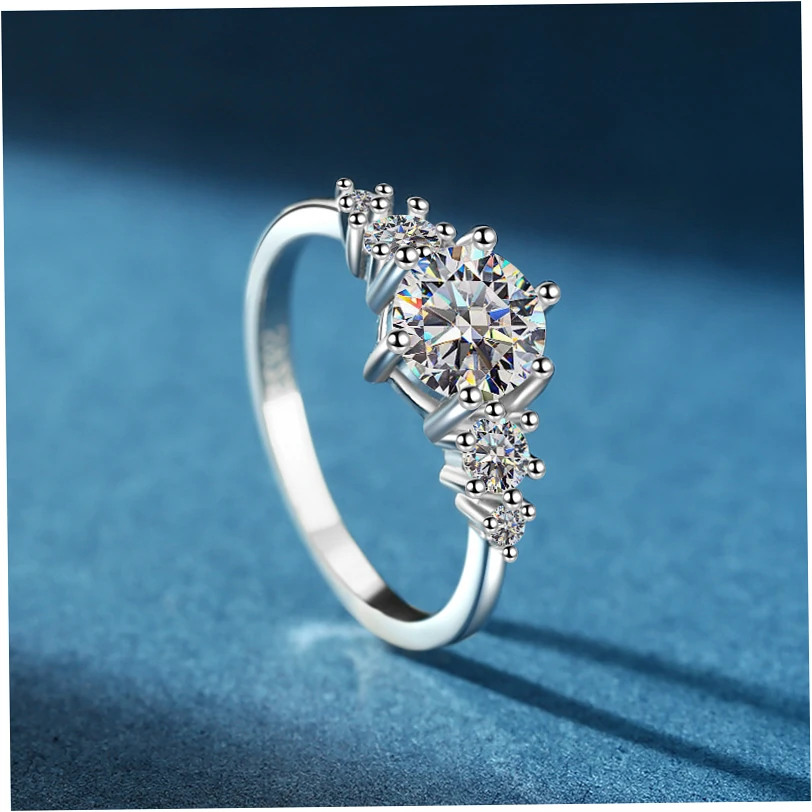

Want to know if your gemstone is real moissanite? You can actually test it yourself at home with some simple methods. Lots of jewelry lovers look for trustworthy ways to tell moissanite apart from diamonds and other fake stones, even without fancy equipment. This guide covers different ways to check your stone, from just looking at it closely to doing heat and electricity tests, so you can feel sure about what you’ve got. When you know these DIY testing tricks, you’ll make smarter choices about buying jewelry and building your collection.
Here’s what we’ll cover:
- What you’ll need for testing moissanite at home
- How to spot moissanite just by looking
- Testing how it handles heat and electricity
- Checking the weight and magnetic properties
- More detailed tests you can do yourself
- When to get a pro’s opinion and what to do next
- Common questions people have about testing moissanite
What you’ll need to test moissanite at home
First, gather your testing equipment
Before you start testing moissanite at home, get these basic items together to help identify it properly You’ll want a 10x jeweler’s loupe to see details up close, a strong magnet like neodymium, a digital scale that measures carat weight accurately.
and a UV light for checking fluorescence When you organize these tools before testing, your moissanite verification goes smoother and gets more accurate Be careful handling your possible moissanite stone during testing so you don’t damage or lose it.
Test over a soft towel or felt pad in case you drop it, and use good lighting without bright glare that could mess up your observations Clean your magnifying tool lenses well so you don’t misread any inclusions or features Keep in mind these home moissanite tests give good clues, but they’re no substitute for a pro gemologist’s final say Knowing moissanite’s basic properties.

Moissanite has special physical traits that set it apart from diamonds and other gems, which lets you spot it at home with careful looking
Moissanite measures 9.25 on the Mohs scale, making it super durable but a bit softer than diamond It shows double refraction, meaning you’ll see doubled facet lines when looking through the bottom, unlike diamond’s single lines Plus.
moissanite usually has more fire and rainbow flashes than diamond, showing brighter colors in different lights Additionally, moissanite typically exhibits greater fire (colorful light dispersion) than diamond, often displaying more vibrant rainbow flashes under various lighting conditions.

Visual Inspection Techniques
Magnification Examination Methods
Grab a 10x jeweler’s loupe to check your stone. Look for that special doubling effect where the facets meet – that’s a classic moissanite giveaway. Move your stone around to let light shine through from different directions.
Focus on the bottom facets where you’ll see the doubling best. This happens because moissanite has double refraction. It makes the facet edges look a bit blurry, like parallel lines when you peek through the top.
Diamonds are different – they have single refraction so their facet edges look sharp and single. You’ll need good light and some patience for this test, but it’s one of the most trustworthy ways to spot moissanite.
Inclusion analysis: When you’re checking your stone up close, remember moissanite has different flaws than natural diamonds. You’ll often see needle-like marks lined up in parallel rows in moissanite. Diamonds show more random patterns.
Some moissanite stones look perfect to your bare eyes, but under magnification you might spot faint growth lines or small crystals. These features depend on who made the stone and which generation it is. Newer moissanite usually has fewer visible flaws.
Light Performance Assessment
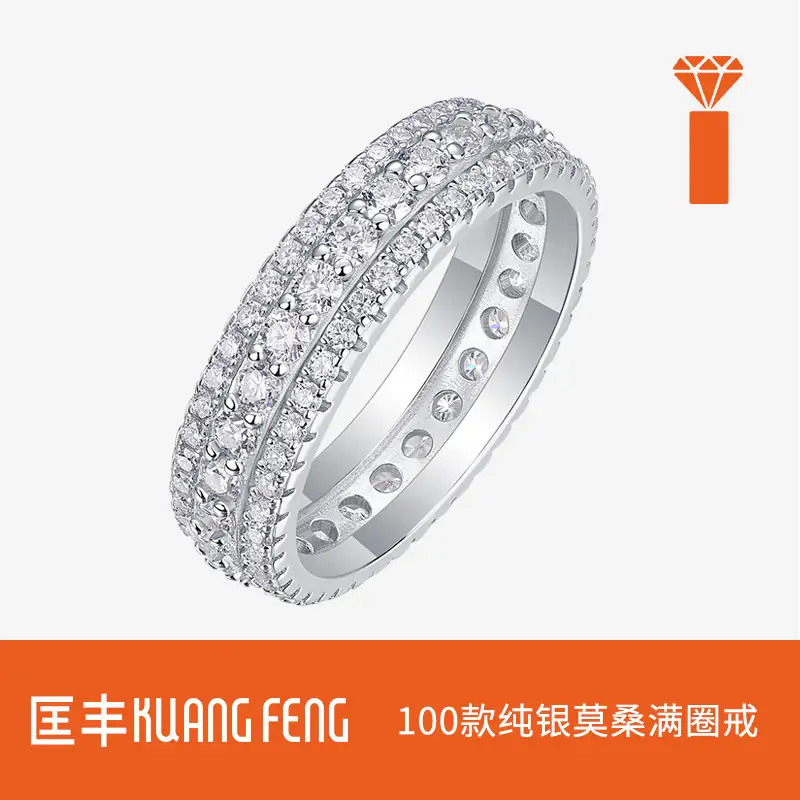
Fire and brilliance evaluation: Watch how your stone plays with light. Check its colorful sparkle and white light reflection in various lighting. Moissanite throws off about 2.4 times more rainbow colors than diamonds.
When you move it under lights, you’ll see stronger colorful flashes. Test this by holding your stone near a lamp or window. Slowly turn it while watching the color patterns.
The extra sparkle really stands out, though some people like diamond’s quieter shine. So this test helps you identify the stone and decide what you prefer.
| What to Check | Moissanite | Diamond |
|---|---|---|
| Light Bending | 2.65 to 2.69 | 2.42 |
| Rainbow Colors | 0.104 | 0.044 |
| Shine Quality | Diamond-like | Diamond-like |
Conductivity and Thermal Response Testing
Electrical Conductivity Verification
You can use a diamond tester at home to tell moissanite from real diamonds. These testers check how well electricity moves through the stone. Here’s the thing: moissanite lets electricity flow through it, but diamonds usually don’t.
That’s how these testers work. Just make sure your stone is clean and touching the tester’s probe properly. Most testers will clearly show if it’s moissanite or diamond. Though sometimes you might need fancier equipment for really good fakes.
But keep in mind, these testers aren’t perfect all the time. If your stone has lots of flaws or cracks, you might get weird results. Even some treated diamonds can act strange with these testers.
Newer moissanite with special coatings can sometimes trick basic testers too. So for important jewelry, try a few different tests instead of just trusting the conductivity results.

Thermal Response Examination
Here’s another easy test: breathe on the stone like you’re fogging up a mirror, then watch how fast the fog disappears. Moissanite gets rid of the fog super fast, usually in just a second or two.
because it handles heat really well – just like diamonds do. But fake stones like cubic zirconia or glass will hold onto that fog for much longer. This fog test gives you a good clue, but it won’t tell you for sure if it’s moissanite or diamond since both clear fog quickly.

Weight and Magnetism Analysis
Density and Weight Comparison
First, grab a digital scale to check your stone’s carat weight. Moissanite and diamonds weigh differently even when they look the same size, because their densities aren’t the same. Moissanite is around 10% lighter than diamond.
So if you have a moissanite that’s the same size as a 1-carat diamond, it’ll probably weigh closer to 0.90 carats. You’ll really notice this weight difference with bigger stones.
When you’re comparing, look at the millimeter measurements instead of just going by carat weight. The way a stone is cut can make it look bigger or smaller.
| Property | Moissanite | Diamond |
|---|---|---|
| Density (g/cm³) | 3.21-3.22 | 3.52 |
| Hardness (Mohs) | 9.25 | 10 |
| Thermal Conductivity | High | High |

Magnetic Response Testing
Next, try the magnet test. Get a strong neodymium magnet and see if your stone reacts to it. Some moissanite has tiny metal bits that make it slightly magnetic.
Just slowly move the magnet near your stone, whether it’s loose or set in jewelry, and watch for any pulling or movement. Not every moissanite will be magnetic, but lots of them show a weak response because of how they’re made.
Diamonds usually don’t react to magnets at all. But watch out – if your stone is already set in jewelry, the metal setting might give you a false reading. This magnet test works way better with loose stones, so you don’t get tricked by the jewelry setting.
Advanced Home Testing Methods
UV Light Reactivity Examination
Want to check fluorescence? Just shine UV light on your stone in a dark room and watch how it glows – this helps tell moissanite apart from other gems.
Most moissanite stones glow green, yellow, or greenish-yellow under long-wave UV light, but diamonds can show blue, yellow, or no glow at all. Some moissanite might even keep glowing after you turn off the UV light – that’s called phosphorescence, but it depends on the brand and stone type.
Be careful with UV testing – protect your eyes and don’t let the light hit your skin directly. Hold the UV light a few inches away from the stone and check it from different angles to see the full glow pattern.
Remember, treatments on both moissanite and diamonds can change how they fluoresce, so this is just one test among many for identifying stones at home.
Water and Transparency Tests
Try the read-through test: put your loose stone face-down on some text and see how well you can read through it. Because of moissanite’s special optics, text looks blurry or doubled when you look through it.
unlike diamonds where text stays pretty clear. This happens due to moissanite’s strong double refraction that creates this unique visual effect. For the best results, use small print like newspaper text and compare with a real diamond if you have one for reference.
Professional Verification and Next Steps
So when should you get a pro to check your stones?
First, know your limits with home testing – sometimes you really need a gemologist to give you that final answer. If your test results don’t match up, or if the stone means a lot to you money-wise or emotionally.
it’s smart to see a certified gemologist. The pros have way better gear than we do – stuff like spectroscopes and super-powered magnifiers that give you the real deal. This really matters when you’re dealing with insurance, thinking about selling, or buying expensive jewelry.
Don’t underestimate getting proper certification from big-name labs like GIA, IGI, or GCAL for your pricier pieces. These papers break down everything about your stone – the size, weight, how well it’s cut, and what it actually is.
Good moissanite sellers usually include papers that confirm it’s lab-made moissanite. If you’ve got older jewelry without papers, getting it certified shows where it came from and what it’s worth – super helpful for family pieces or antiques.
| Test Method | Reliability | Limitations |
|---|---|---|
| Magnification/Doubling | High | Requires good vision/equipment |
| Electrical Conductivity | High | Special equipment needed |
| Weight Measurement | Medium | Requires precise scale |
| Magnetic Response | Low-Medium | Not all moissanite is magnetic |
To really figure out if it’s moissanite at home, you gotta try several tests and compare what you find – no one test gives you the full story. Mix and match – look at it closely, check the weight.
do some property tests – and you’ll get pretty confident about what you’ve got. Just remember – these tricks work way better on loose stones than ones already set in jewelry. When it really counts – either money-wise or emotionally – getting a pro opinion is still your best bet.
Now that you know how to test moissanite, why not give it a shot yourself? Grab your jewelry and testing gear, and see if you can spot any moissanite in your stuff. Tell us how your testing went in the comments, or check out our advanced guide for even more gem ID tricks!
Here are some common questions people have about testing moissanite at home
Wondering if your diamond tester works for moissanite?
Good news – most newer diamond testers can spot moissanite pretty well Here’s why: moissanite lets electricity flow through it, but diamonds usually don’t Older testers might get it wrong though – they could call moissanite diamond To be sure, grab a newer tester that’s made to catch moissanite.
What about the fog test – does moissanite pass it like diamond does?
Yep, moissanite passes the fog test just like diamond Breathe on it and the fog disappears super fast – in just a second or two This trick helps tell moissanite apart from fakes like cubic zirconia or glass that hold fog longer.
So how reliable are these at-home moissanite tests really?
Home tests give you a decent idea, but don’t bet your expensive jewelry on them Some methods work better than others – checking for double refraction with magnification is pretty solid Your results get way more accurate when you combine several different tests For pricey pieces or official paperwork, you’ll still need a pro to check it out.
Here’s an interesting one – can moissanite stick to magnets?
Some types of moissanite do have a weak pull toward magnets If you use a strong magnet, you might see the stone move a tiny bit But not every moissanite acts this way – it depends on who made it and the specific stone Since diamonds don’t stick to magnets, this can be a clue you’ve got moissanite.